Sundarban Ilish Utsav River Dining – Experience Meals on Moving Boats
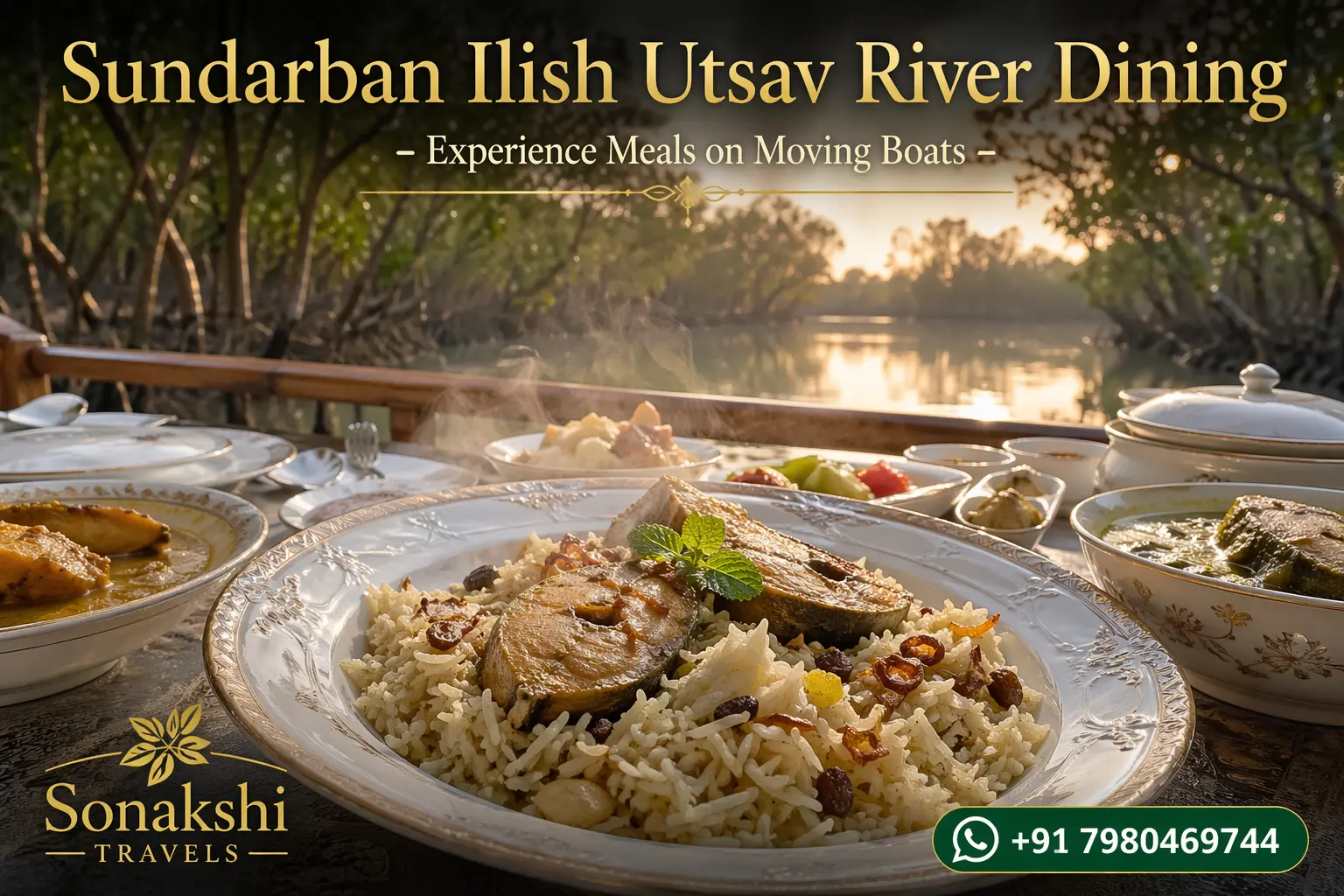
The charm of the Sundarban Ilish Utsav is not limited to tasting fresh hilsa. It goes much deeper into the experience of how and where the food is served. One of the most unique features of this festival is river dining on moving boats. This is not a simple meal. It is a carefully crafted journey where food, river, culture, and atmosphere blend into one memorable experience.
Unlike traditional restaurant dining, here the river becomes your dining hall. The slow movement of the boat, the surrounding mangrove forest, and the aroma of freshly cooked hilsa create a rare setting that cannot be recreated on land. For those planning their first visit, understanding the complete experience is essential. A helpful guide like Sundarban Hilsa Festival 2026 first visit tips can prepare travelers for what to expect during such a unique culinary journey.
The Concept of River Dining in Sundarban
River dining in the Sundarban is deeply connected to the geography of the region. The entire ecosystem is formed by rivers, creeks, and tidal channels. Boats are not only a means of transport but also an essential part of daily life. During the hilsa festival, this natural lifestyle is transformed into an immersive dining experience.
The idea is simple yet powerful. Guests board a well-equipped boat where meals are prepared fresh in the onboard kitchen. As the boat moves through the calm waterways, guests enjoy their food while witnessing the untouched beauty of the mangrove forest. This combination of movement and dining creates a continuous sensory engagement.
The moving boat dining experience is carefully managed to ensure both comfort and authenticity. The design of these boats usually includes open decks, shaded seating areas, and a compact kitchen. The goal is to maintain a balance between luxury and natural simplicity.
The Role of Hilsa in River Dining
The star of this experience is undoubtedly the hilsa fish, locally known as ilish. This fish holds a special place in Bengali culture, especially during the monsoon season. Its delicate texture and rich flavor make it ideal for traditional recipes.
During river dining, hilsa is prepared in multiple styles. Popular dishes include mustard hilsa, steamed hilsa, fried hilsa, and hilsa cooked with light spices. Each dish is designed to highlight the natural taste of the fish rather than overpower it.
The freshness of the fish plays a crucial role. Since the fish is sourced locally and cooked immediately, the flavor remains pure and authentic. This is one of the reasons why Sundarban river dining meals are considered superior to many urban dining experiences.
Atmosphere and Sensory Experience
One of the most defining aspects of this experience is the atmosphere. The environment of the Sundarban enhances every element of dining. The gentle sound of water, the distant calls of birds, and the movement of the boat create a calm and peaceful setting.
Unlike crowded restaurants, there is a sense of openness here. The dining space is surrounded by nature. The shifting views of mangrove trees and waterways ensure that no two moments feel the same.
The timing of meals also adds to the experience. Lunch is often served when sunlight reflects off the water, creating a bright and lively atmosphere. Evening meals, on the other hand, offer a quieter and more reflective mood as the surroundings become softer and cooler.
Design and Structure of Dining Boats
The boats used for river dining are specially designed to provide both safety and comfort. They are usually two-deck wooden vessels with stable construction. The lower deck often houses the kitchen and basic seating, while the upper deck is reserved for open-air dining and viewing.
The arrangement of seating ensures that guests can enjoy both food and scenery without disturbance. Tables are placed in a way that allows easy movement, and the design avoids overcrowding. This is important for maintaining a relaxed dining environment.
Modern facilities such as clean washrooms, proper ventilation, and safety equipment are also included. Despite these additions, the overall design retains a traditional aesthetic, keeping the experience authentic.
Culinary Process on Moving Boats
Cooking on a moving boat requires careful planning and skill. The chefs working during the hilsa festival river dining are experienced in handling these conditions. They ensure that the cooking process remains consistent even when the boat is in motion.
The kitchen setup is compact but efficient. Ingredients are prepared in advance, and cooking is timed with the movement of the boat. This coordination ensures that meals are served fresh and hot.
Special attention is given to hygiene and quality. Since the environment is open, maintaining cleanliness is essential. The cooking process is often visible to guests, which adds a sense of transparency and trust.
Cultural Importance of Dining on Water
Dining on water is not a new concept in Bengal. It has roots in the traditional lifestyle of river-based communities. Fishing, trading, and even social gatherings have historically taken place on boats.
The Sundarban Ilish Utsav revives this cultural practice in a refined way. It connects visitors with the traditional rhythm of life in the delta. Eating on a moving boat becomes more than a leisure activity. It becomes a cultural experience.
This connection is especially meaningful for those who are unfamiliar with river-based living. It offers a glimpse into a way of life that is closely tied to nature and seasonal changes.
Best Time to Experience River Dining
The hilsa festival usually takes place during the monsoon season, which is considered the best time for hilsa fishing. This period also enhances the beauty of the Sundarban. The rivers are full, and the greenery is at its peak.
However, weather conditions can influence the experience. Calm days provide smoother boat movement and clearer views. It is always advisable to plan the visit with proper understanding. Resources like beginner-friendly hilsa festival planning tips can help travelers choose the right time and prepare accordingly.
Why River Dining Feels Different from Regular Dining
The difference lies in the integration of multiple elements. In a restaurant, the focus is mainly on food and service. In river dining, the experience extends beyond these aspects.
The constant movement of the boat creates a dynamic environment. The changing scenery keeps the mind engaged. The natural setting reduces distractions and allows guests to focus on the moment.
This combination creates a deeper sense of satisfaction. The meal becomes a complete experience rather than just a routine activity.
Understanding the Full Experience Before Visiting
For first-time visitors, understanding the complete structure of the experience is important. River dining is not just about booking a meal. It involves travel, timing, and adaptation to the natural environment.
Reading detailed guides such as Sundarban hilsa festival first visit guide helps in building the right expectations. It explains how the journey works, what to carry, and how to make the most of the experience.
Such preparation ensures that visitors can fully enjoy the experience without confusion or discomfort.
The Emotional Connection of River Dining
One of the most overlooked aspects of this experience is the emotional connection it creates. The combination of food, nature, and movement has a calming effect on the mind.
Many visitors describe the experience as peaceful and refreshing. The absence of urban noise, combined with the simplicity of the setting, allows people to relax deeply.
This emotional aspect adds long-term value to the experience. It is not something that can be measured but is often remembered long after the journey ends.
Conclusion: A Unique Culinary Journey on Water
The Sundarban Ilish Utsav river dining experience stands out because it combines tradition, environment, and cuisine in a seamless way. It is not limited to eating hilsa. It is about understanding how food interacts with place and culture.
The moving boat becomes a symbol of this connection. It carries not only people but also stories, flavors, and traditions. Every meal served on the river reflects a deeper relationship between humans and nature.
For those seeking a meaningful and immersive travel experience, river dining during the hilsa festival offers something truly special. It transforms a simple meal into a journey that engages the senses, the mind, and the emotions.