100 Top Tourist Destinations in West Bengal:
A Deeply Researched Explorer’s Guide

West Bengal occupies a unique position on the cultural and geographical map of India. From the snow-fed ridges of the eastern Himalayas to the mangrove-guarded delta of the Bay of Bengal, the state presents an extraordinary range of landscapes, ecosystems, and human histories within a relatively compact territory. Over years of field travel across districts, forests, river basins, temple towns, colonial settlements, and tribal heartlands, it becomes clear that West Bengal is not a single destination but a carefully layered travel experience. This article presents a curated, research-based list of 100 top tourist destinations in West Bengal, supported by practical travel insights, historical context, and ecological understanding, suitable for serious travelers, researchers, and planners.
Understanding West Bengal as a Travel Region
West Bengal can broadly be divided into six travel zones: the Himalayan North Bengal region, the Dooars and Terai forest belt, the Gangetic plains, the western plateau and laterite region, the Kolkata metropolitan and heritage corridor, and the Sundarbans delta. Each zone demands a different travel rhythm, seasonality, and mindset. Responsible exploration requires sensitivity to climate, local livelihoods, and ecological limits.
Best Overall Travel Season
October to March remains the most comfortable period for most destinations. Himalayan regions are best between March and May and again from October to early December. Monsoon (June to September) transforms forests and rivers but requires careful planning.
Ideal Travel Duration
A comprehensive West Bengal circuit requires multiple visits. Short thematic trips of 4–7 days work best when focused on one region at a time.
Himalayan & Hill Destinations (North Bengal)
The northern hills are shaped by Kanchenjunga’s presence, colonial legacies, and living mountain cultures.
1. Darjeeling

2. Kalimpong

3. Kurseong

4. Mirik

5. Lava

6. Loleygaon

7. Rishop

8. Bijanbari

9. Chatakpur

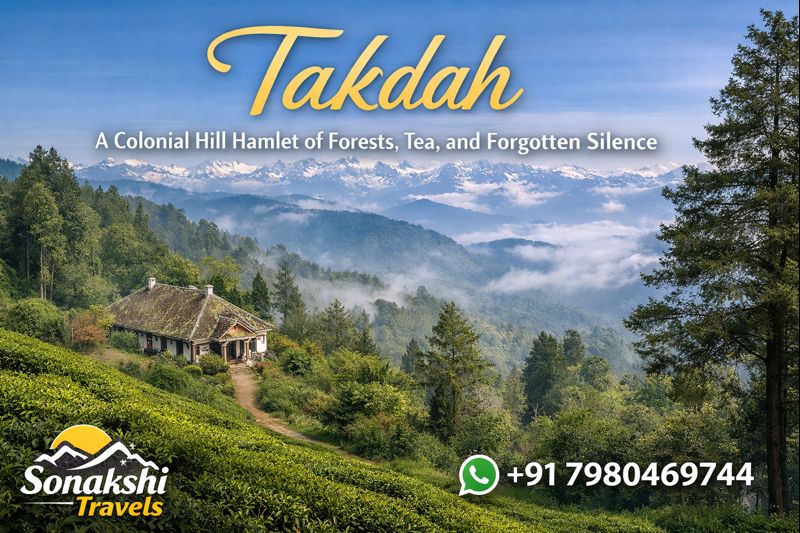
10. Takdah
11. Lamahatta

12. Tinchuley

13. Sittong

14. Pedong

15. Algarah

These settlements offer forest trails, sunrise viewpoints, tea estates, and bird habitats. Villages such as Chatakpur illustrate community-led eco-tourism within protected forest zones. Access is primarily via NJP Railway Station and Bagdogra Airport, followed by mountain roads.
Dooars & Terai Forest Belt
This region marks the transition from hills to plains, dominated by rivers descending from Bhutan and dense wildlife corridors.


18. Chapramari Wildlife Sanctuary


20. Chilapata Forest

21. Jayanti

22. Rajabhatkhawa

23. Samsing

24. Suntalekhola

25. Lataguri

26. Murti River

27. Totopara

28. Neora Valley National Park

Jeep safaris, river walks, and tribal settlements define travel here. Elephant corridors and grassland ecosystems require regulated entry and seasonal planning.
The Sundarbans Delta
The Sundarbans is the world’s largest mangrove ecosystem and a UNESCO World Heritage Site. Travel here is shaped by tides, creeks, and wildlife ethics.

30. Sajnekhali

31. Dobanki

32. Sudhanyakhali
33. Bonnie Camp
34. Netidhopani
35. Pakhiralay

36. Gosaba
37. Jharkhali
38. Bali Island

Exploration often begins from Kolkata through river ports. For structured insight into the delta’s ecology and regulated tourism, the narrative naturally aligns with resources such as https://sundarbantravel.com/sundarban-tour/, which explain the logistical and environmental framework of the region. Multi-day boat-based itineraries remain the most responsible way to understand the landscape.
Kolkata & Colonial Heritage Corridor
Kolkata is not merely a city but a living archive of colonial, intellectual, and artistic movements.

40. Indian Museum

41. Marble Palace


43. Kalighat

44. Howrah Bridge

45. College Street


47. South Park Street Cemetery

48. Prinsep Ghat

Heritage walks, tram rides, and riverfront exploration along the Hooghly reveal layered histories from the British Raj to the Bengal Renaissance.
Gangetic Plains & Temple Towns
This fertile belt preserves Bengal’s religious, literary, and agricultural heritage.
49. Murshidabad


51. Katra Mosque

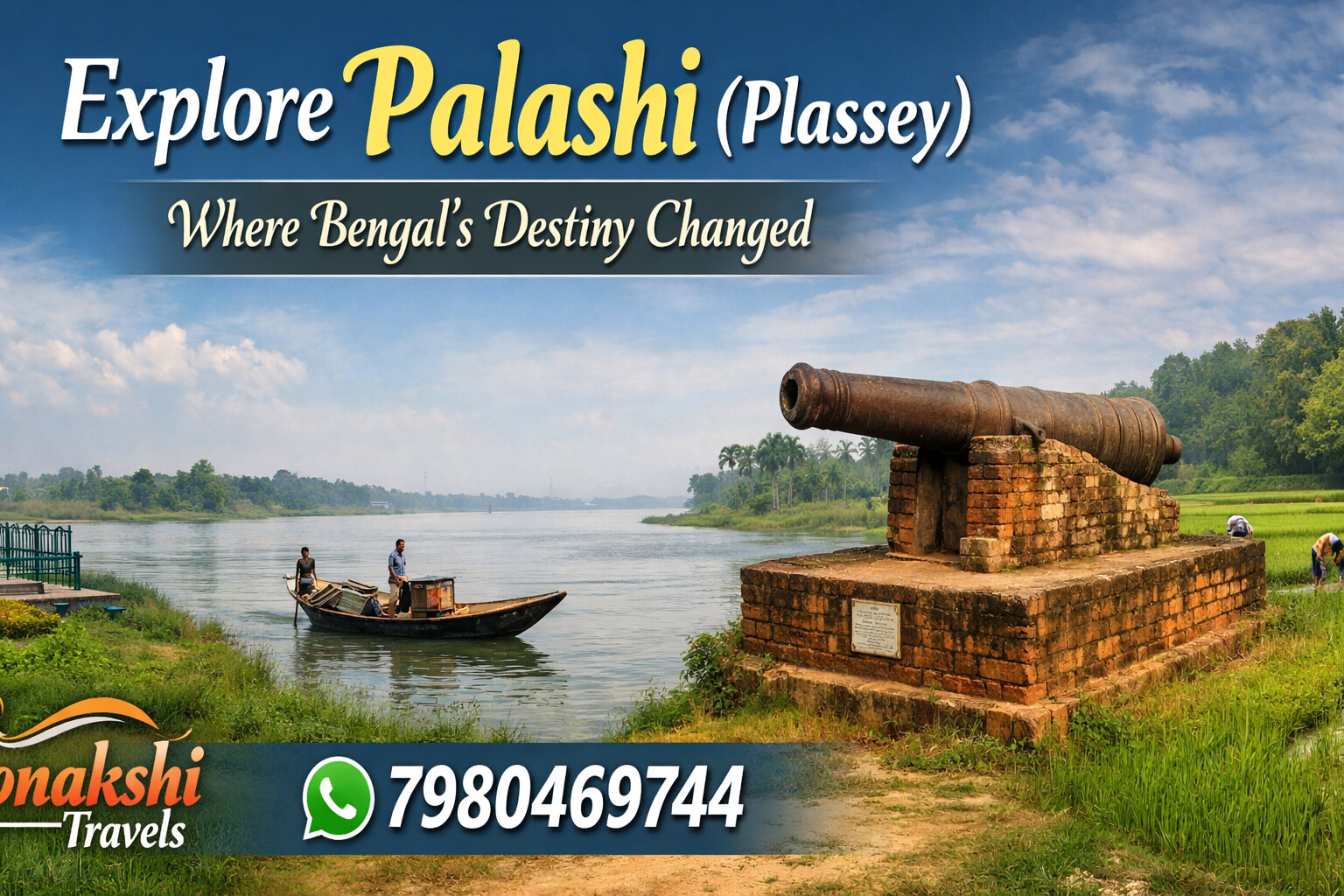
52. Plassey

53. Mayapur

54. Nabadwip

55. Krishnanagar

56. Palashi
57. Bethuadahari Wildlife Sanctuary

58. Chinsurah

59. Bandel Church
60. Chandannagar
River routes historically connected these towns to global trade networks. Winter is ideal for exploration.
Western Plateau & Laterite Region
The red-soil districts of western Bengal present a stark contrast to the plains.
61. Purulia

62. Ajodhya Hills

63. Joychandi Pahar
64. Garh Panchkot
65. Susunia Hills

66. Jhargram

67. Belpahari
68. Kankrajhore
69. Lalgarh
70. Mukutmanipur

Tribal festivals, forest trails, and ancient ruins define this zone. Summer heat requires early-morning exploration.
Coastal Bengal & Bay of Bengal Shoreline
The southern coast blends pilgrimage, fishing culture, and marine ecology.
71. Digha

72. Mandarmani

73. Tajpur

74. Shankarpur

75. Bakkhali

76. Henry Island
77. Fraserganj

78. Junput

79. Bankiput
80. Chandipur (West Bengal side)
Winter offers calm seas and cultural festivals, while monsoon highlights coastal biodiversity.
Lesser-Known Cultural & Natural Sites
Beyond popular circuits, these destinations reward slower, research-oriented travel.
81. Bishnupur

82. Tarapith

83. Bakreshwar
84. Kenduli
85. Jaydev Kenduli
86. Deulghata
87. Gour
88. Adina Mosque
89. Malda Mango Belt
90. Raichak

91. Fuleswari River
92. Rasikbil
93. Cooch Behar Palace

94. Madarihat
95. Tufanganj
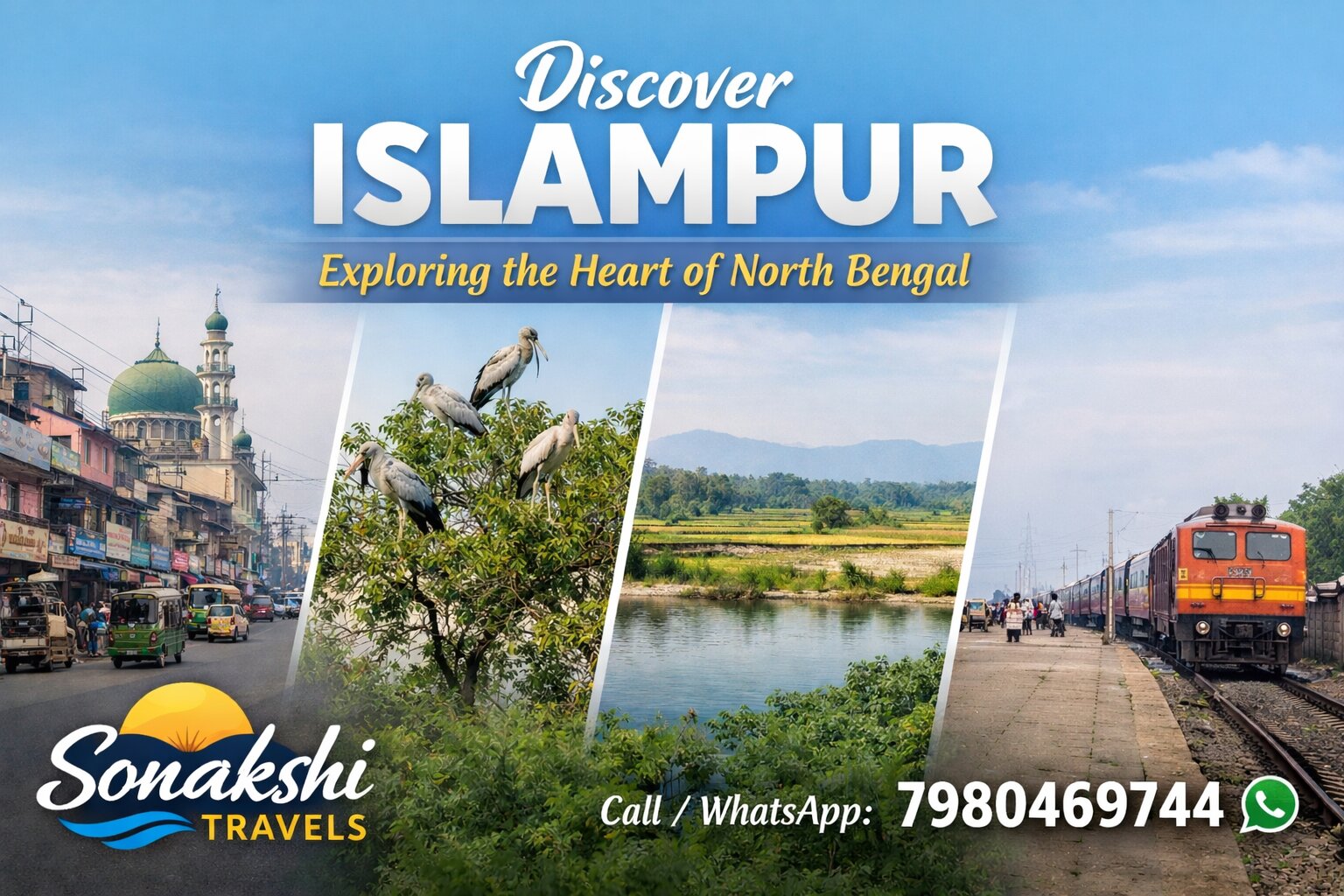
96. Islampur

98. Teesta Barrage

99. Maynaguri

100. Falakata

Planning a Responsible West Bengal Tour
Travel across West Bengal should balance curiosity with responsibility. Forest zones demand permits and silence. Religious towns require cultural sensitivity. River and delta travel must respect tidal rhythms. Structured itineraries, such as curated Sundarbans circuits described through platforms offering Sundarban Tour Packages, demonstrate how regulation and experience can coexist when planned carefully.
Routes & Accessibility
Kolkata serves as the primary gateway, with NJP and Bagdogra anchoring North Bengal. Rail connectivity remains extensive, while road travel offers deeper access to remote zones.
Cultural & Ecological Awareness
Each region holds distinct languages, rituals, and environmental pressures. Ethical travel involves supporting local guides, minimizing waste, and respecting seasonal limits.
West Bengal rewards travelers who approach it as a layered narrative rather than a checklist. From the quiet forests of Chatakpur to the tidal silence of the Sundarbans, from colonial corridors to tribal plateaus, the state unfolds slowly, demanding attention and respect. For those seeking structured insight into mountain village travel, resources discussing the Chatakpur Tour Package illustrate how immersive exploration can remain sustainable. Ultimately, West Bengal stands as one of India’s most intellectually and ecologically engaging travel regions, offering depth that reveals itself only through patient, informed exploration.